
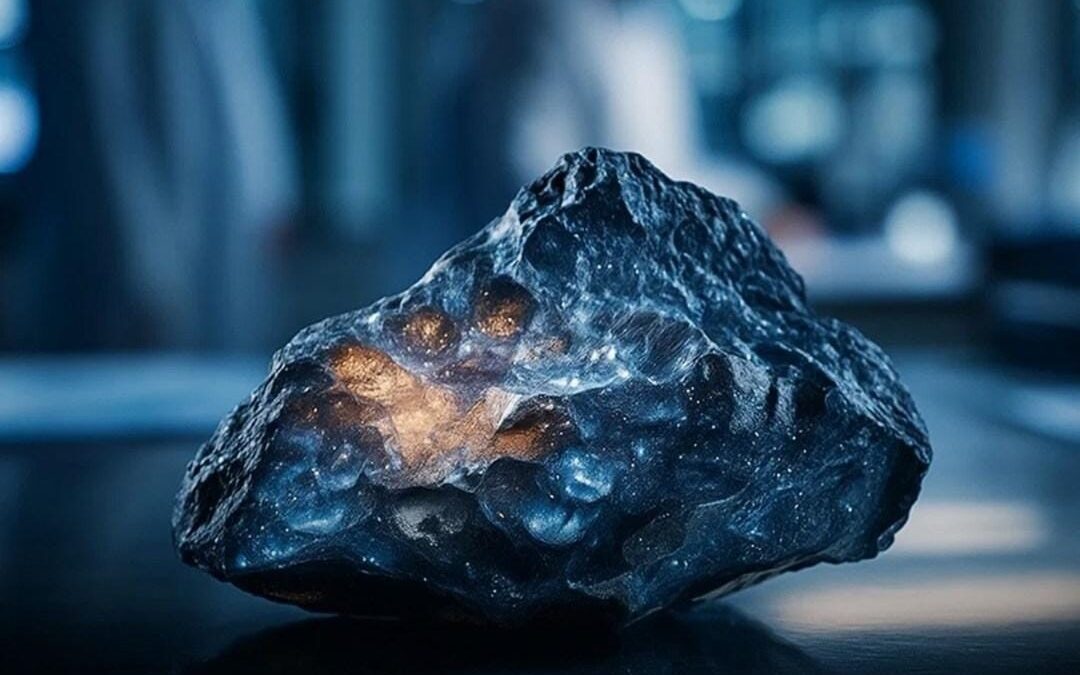
This find indicates that Earth was seeded with life’s ingredients from beyond.
A 2-billion-year-old asteroid sample is reviving one of the most provocative ideas in science: that life on Earth may have come from space.
New findings from NASA and Japan’s space agency reveal that Bennu, a carbon-rich asteroid older than any life on Earth, contains chemical precursors to DNA and RNA-along with 14 of the 20 amino acids used by all living organisms.
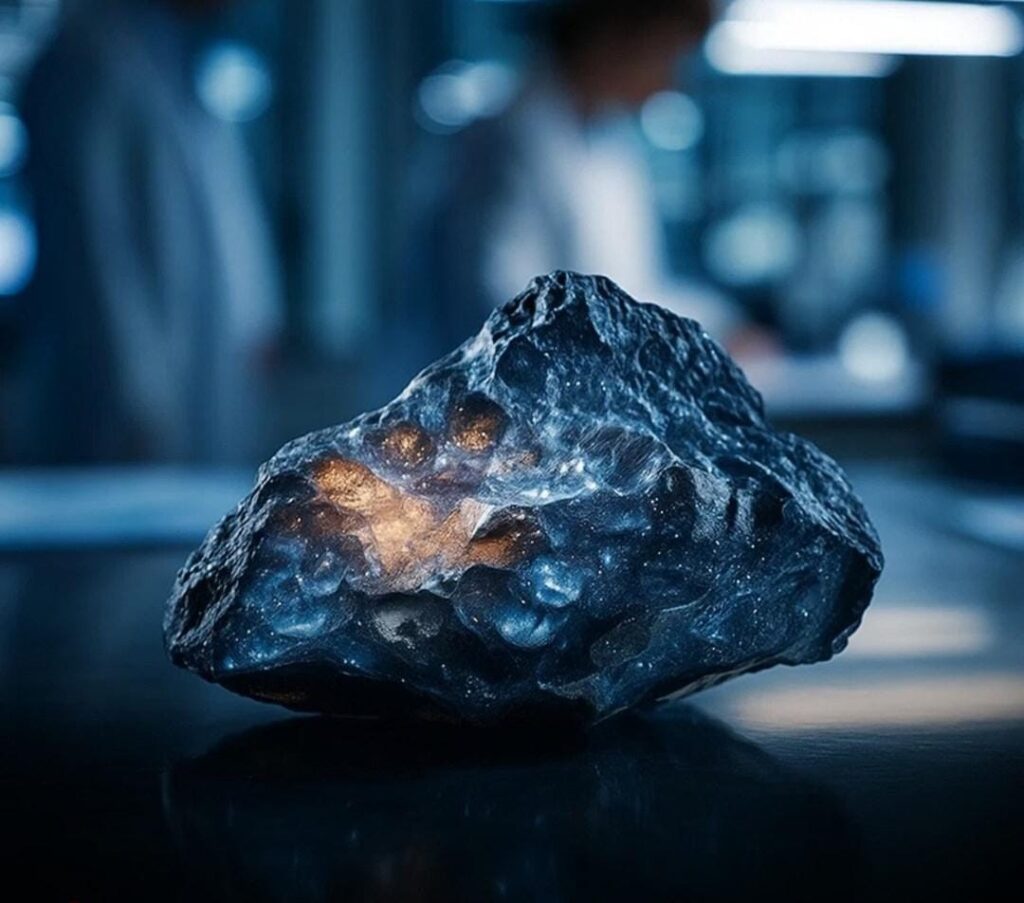
These building blocks of life weren’t formed on Earth, but preserved in the ancient rock since the dawn of the solar system, offering compelling evidence for the theory of panspermia.
Panspermia suggests that Earth didn’t create life from scratch but was seeded by organic molecules delivered via comets or meteorites. Unlike science fiction versions of the idea, it doesn’t require alien microbes-just stable molecules capable of surviving the journey and jumpstarting life-friendly chemistry upon arrival. Until recently, it was unclear whether such molecules could survive the harsh conditions of space and impact. But Bennu’s pristine samples, brought back by the OSIRIS-REx mission, show it’s not only possible-they may be far more common than we thought. If life’s raw materials exist on Bennu, they could be scattered across the cosmos.
Source: NASA “NASA’s Bennu Samples Reveal Complex Origins, Dramatic Transformation” 2025