
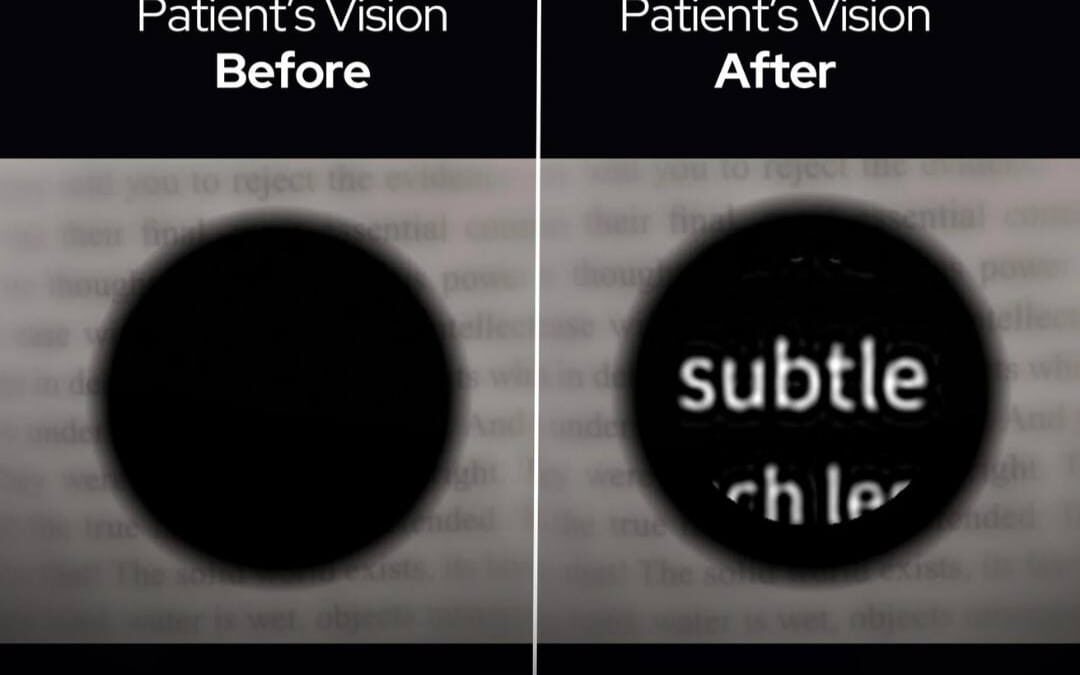
A bionic eye just restored sight and let people read again.
In a stunning leap for vision restoration, scientists at Stanford Medicine have partially returned sight to people with advanced macular degeneration using a bionic eye system called PRIMA.
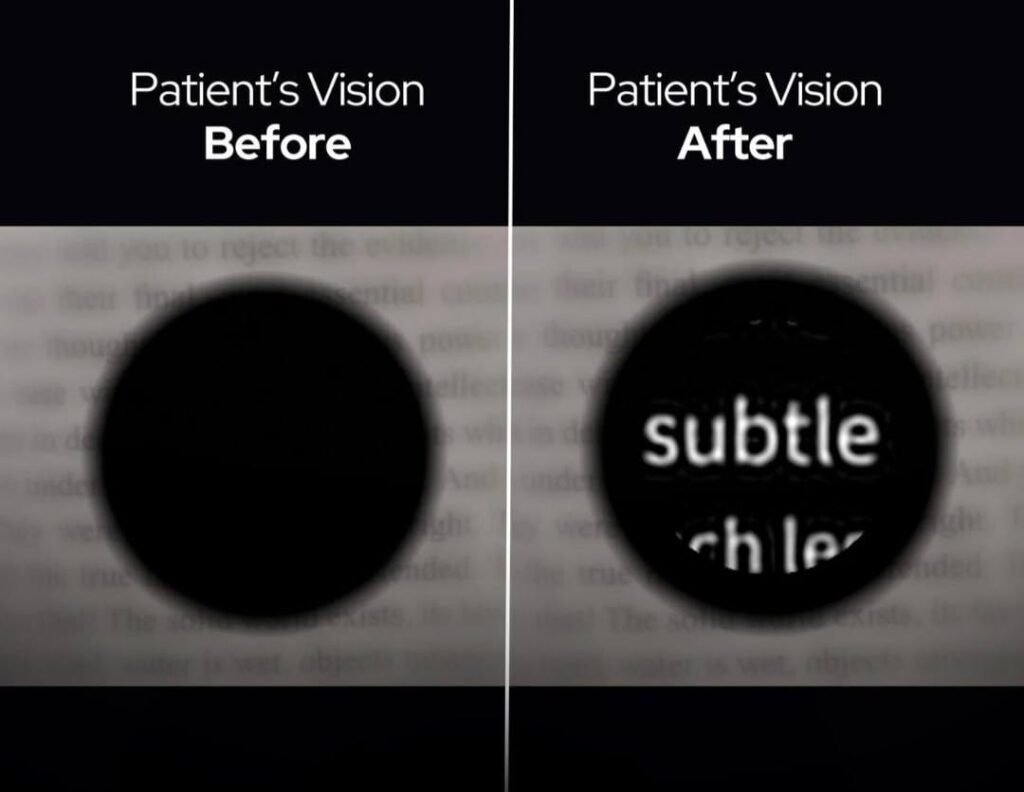
The wireless implant, smaller than a grain of rice, sits behind the retina and works with a pair of smart glasses to bypass dead photoreceptors. These glasses convert images into infrared light and beam them into the implant, which then stimulates surviving retinal neurons. In a clinical trial, 27 out of 32 participants regained the ability to read-some for the first time in years-with one patient improving by an astounding 12 lines on an eye chart.
The study focused on patients with geographic atrophy, a severe form of age-related macular degeneration affecting millions worldwide. Though central vision was gone, the rest of the visual system remained intact. PRIMA replaced the failed photoreceptors, restoring “form vision”-the ability to perceive letters, shapes, and signs. Participants successfully used the system in daily life, from reading food labels to navigating subway stations. While a few experienced mild side effects like eye pressure or bleeding, most recovered quickly.
With future upgrades expected to boost resolution fivefold, the promise of near-normal vision is now closer than ever.
paper
“Subretinal Photovoltaic Implant to Restore Vision in Geographic Atrophy Due to AMD.” New England Journal of Medicine, 20 Oct. 2025